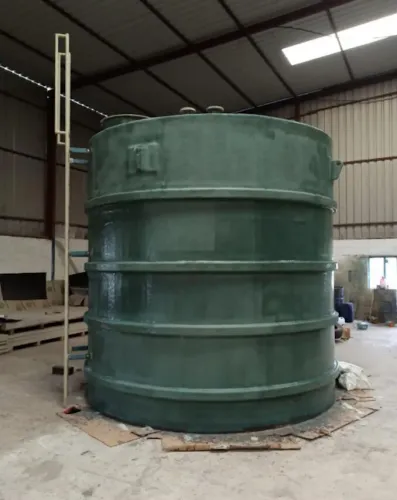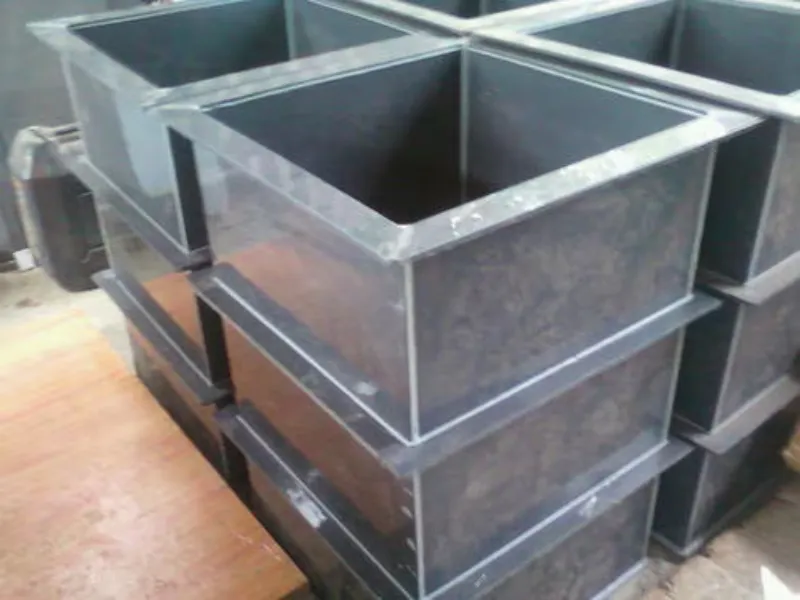
Chemical-processing and surface finishing operations frequently require tanks made from materials that can withstand compatible corrosive environments. A PVC Tank can be considered for selected industrial applications where its chemical characteristics suit the process conditions.
Electroplating units, PCB manufacturers, treatment plants, and surface finishing facilities in Bengaluru may use fabricated PVC equipment within particular chemical-processing stages.
Where PVC Tanks May Be Used
PVC has properties that make it suitable for selected industrial chemical environments.
Applications may include:
- Chemical treatment
- Surface finishing
- PCB processing
- Industrial rinsing
- Selected plating stages
- Chemical preparation
- Process-liquid handling
The material should always be checked against the actual chemical, concentration, and temperature involved.
Temperature Is an Important Factor
Chemical compatibility alone does not determine tank suitability.
Operating temperature can significantly influence material selection.
Plant engineers should identify normal process temperature along with the highest temperature the tank could experience during production.
This is particularly relevant when tanks form part of heated treatment stages.
Process Tanks Need Detailed Engineering
A process tank usually requires more engineering than a simple storage tank.
Depending on the application, provisions may be needed for circulation, filtration, heating, workpiece movement, exhaust extraction, drainage, overflow control, and instrumentation.
These features affect both the tank layout and fabrication.
Tank size should therefore reflect component dimensions and production requirements, not merely liquid volume.
Fume Extraction Can Influence Tank Layout
Certain chemical processes release fumes that require capture at the source.
When extraction is needed, the tank and exhaust arrangement should be designed together.
Hood location, duct routing, tank dimensions, surrounding equipment, and operator access can influence the final configuration.
Adding fume extraction after tank installation may create avoidable layout challenges.
Bengaluru Manufacturing Requirements
Bengaluru has a strong manufacturing base covering electronics, automotive components, engineering, precision manufacturing, PCB production, and surface treatment.
This diversity means tank requirements vary significantly from one facility to another.
Associated Surface Innovators manufactures industrial process and surface finishing equipment in Bengaluru, including fabricated equipment for chemical-processing requirements.
A detailed process discussion allows tank construction to be considered alongside the wider production line.
What Buyers Should Specify
When requesting a PVC Tank, provide:
- Chemical name
- Concentration
- Process temperature
- Required tank dimensions
- Working capacity
- Component dimensions
- Required connections
- Exhaust requirements
- Installation space
- Maintenance access
Providing these details helps avoid generic equipment selection.
Think About Long-Term Operation
Industrial tanks need to remain practical throughout their working life.
Inspection access, drainage, cleaning, pipeline connections, equipment placement, and future maintenance should all be considered before final fabrication approval.
A PVC Tank can be a practical solution when its material characteristics align with the actual process conditions.
For manufacturing facilities in Bengaluru and Karnataka, the strongest approach is to evaluate chemistry, temperature, tank dimensions, process accessories, exhaust requirements, and site conditions together before placing an order.
Keywords