Chemical processing fumes escape when the source is exposed, airflow is poorly directed, or operators work outside the enclosure’s design conditions. By the end, you will know how to position the process, judge airflow, specify commissioning tests and identify when a cupboard is the wrong capture method.
Key takeaways
- Keep the operator outside the contaminated airflow path.
- Use airflow readings to verify performance, not prove total containment.
- Match cupboard materials and capture design to the chemical hazard.
- Test alarms, sash position and containment during commissioning and routine checks.
How a fume cupboard captures contaminants at the source
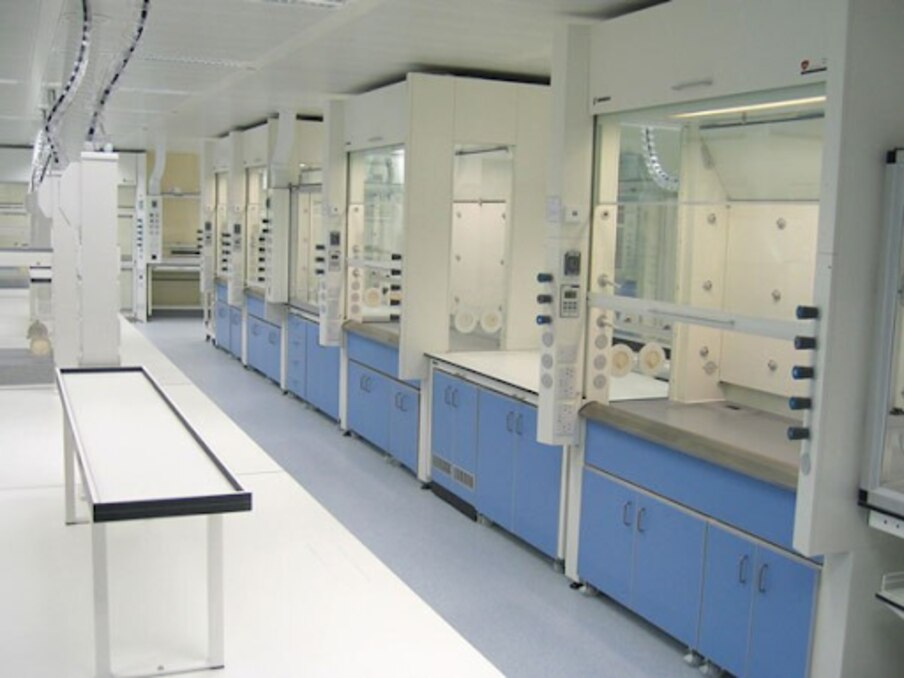
A fume cupboard reduces exposure by enclosing the release point and pulling contaminated air away from your breathing zone before it spreads. This source capture is more reliable than room dilution ventilation, which mixes contaminants into the wider room and depends on enough air changes to reduce concentration after a release has already occurred.
The sash opening controls the path into the enclosure. Keep it at the designated working height, close it when no one is actively working, and avoid fast movements across it; a fully open or abruptly disturbed sash allows turbulence to carry fumes outward.
The sash also provides a physical barrier against splashes and rapid releases, not just a way to adjust exhaust airflow.
The cupboard works only as part of a balanced system. Extracting air without adequate make-up air can increase door-opening forces, create room pressure problems and reduce capture. Cross-draughts from a doorway or supply diffuser can push fumes through the opening even while the fan runs.
Place the exhaust outlet so discharged contaminants cannot return through an air intake or reach nearby workers. A high average face-velocity reading alone does not prove containment: equipment obstruction, process position, turbulence and operator movement can still create escape paths. Verify airflow distribution and observe the actual task at the intended sash height.
Where to place the operator, process and sash
Keep the operator’s face and torso outside the sash opening. Place the emission source at least 150 mm behind the front edge, where exhaust airflow can draw fumes away from you rather than across your breathing zone.
Use the cupboard as a controlled workspace, not as a storage cabinet:
- Set the sash opening to the marked working height before starting. A fully open sash increases the opening, exhaust demand and escape routes.
- Keep apparatus, trays and chemical containers away from the rear baffles and side walls. Large items can create dead zones that leave fumes in front of the operator.
- Move your hands smoothly and avoid rapid arm movements across the sash opening. Fast movements generate turbulence.
- Keep the sash closed when you are not actively handling chemicals, and close it immediately after a spill or unexpected reaction.
- Keep doors, windows and supply-air diffusers from blowing across the cupboard. Cross-draughts can carry contaminants into the room despite an operating fan.
| Positioning choice | Correct practice | What goes wrong if ignored |
|---|---|---|
| Operator position | Stand squarely outside the opening; do not lean inside | Your body blocks airflow and your face enters the contaminated zone |
| Process position | Work centrally, at the designated working height and at least 150 mm behind the sash | Edge turbulence and equipment obstruction can push fumes outward |
| Sash opening | Use the marked working height and lower it during pauses | A high opening reduces containment and increases exhaust demand |
| Room airflow | Keep cross-draughts away from the opening | Supply air can defeat capture at the source |
What airflow measurements prove—and what they do not
A running fan proves only that the motor is operating. To prove air moves from the room through the sash and along the exhaust path, measure the cupboard at its designated operating height and observe the airflow pattern under realistic conditions.
- Measure face velocity across a grid of points, not at one convenient spot. Record the average and the lowest readings; a high average can hide stagnant corners, turbulence or an obstructed work area.
- Record volumetric airflow with the sash at its operating position, then note the sash opening area. A larger opening can raise the required extraction volume, while a high CFM figure alone says nothing about uniform entry through the opening.
- Check pressure relationships between the cupboard, room and exhaust system. They help confirm the intended flow direction and reveal excessive negative pressure, but pressure readings do not prove that a released contaminant stays inside.
- Use smoke visualisation to check that air travels inward without rolling back through the sash. Test with equipment in place, because hot surfaces, tall vessels and process obstructions can redirect the flow.
- Use a suitable containment or tracer-gas test when the hazard demands evidence beyond airflow measurements. That test shows whether the cupboard retains a challenge release; an airflow alarm does not.
Open doors, air-conditioning diffusers and inadequate make-up air can defeat capture while every instrument reports normal operation. Verify room balance, sash position and exhaust discharge location, ensuring contaminated air cannot return through an intake or reach nearby workers.
Matching capture design to chemical processing hazards
Choose the capture geometry from the release pattern, not from the fan’s airflow rating. A small open vessel, a heated plating tank and a sealed automated chemical process release contaminants in different ways.
1. Define the release before selecting equipment. Record solution temperature, tank length and width, agitation, transfer movement, likely splash or aerosol formation, operator position and whether the process runs continuously. Include cross-draughts from doors, supply-air diffusers and nearby equipment; they can pull fumes past a hood even when the exhaust fan runs.
2. Match the hazard to the capture method:
| Option | What it means | When it applies |
|---|---|---|
| Conventional cupboard | A sash-controlled enclosure around the work | Use for bench-scale mixing, sample preparation and small vessels where an operator must work directly inside. It is the wrong choice for a long production tank or equipment that cannot fit behind the sash. |
| Local exhaust arms | Adjustable local capture near one emission point | Use for intermittent additions, drum decanting or maintenance tasks. Do not rely on an arm when release location moves across a tank or when a strong plume can pass the operator. |
| Tank-edge slot hood | A continuous slot along the tank rim | Use for open tanks with a stable, upward or edge-directed release. Size the slot for tank length, solution temperature and agitation; poor placement leaves the centre of the tank uncontrolled. |
| Flange hood and push-pull system | A rim-mounted flange hood, or supply air sweeping fumes toward an exhaust slot | Use flange hoods for defined tank edges and push-pull system arrangements for wide tanks or broad release patterns. Balance the supply air carefully or it will drive contamination into the work area. |
| Fully enclosed process enclosure | A physical enclosure with controlled access and exhaust | Specify it for highly toxic or corrosive chemicals, automated transfer, frequent aerosol formation or processes that do not require hands-on access. |
3. For corrosive service, specify compatible ductwork, drainage, clean-out access and a fan that tolerates the chemical. Associated Surface Innovators can help resolve those choices across the cupboard, exhaust path and treatment equipment. Discharge the exhaust where it cannot re-enter air intakes or neighbouring work areas.
Related product
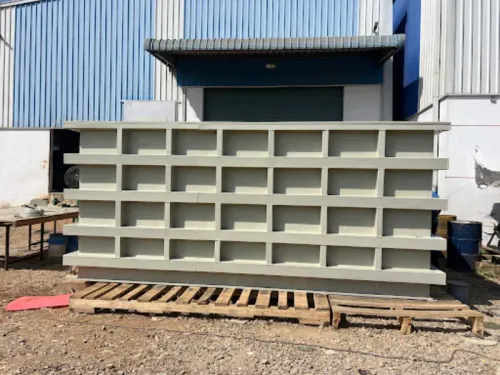
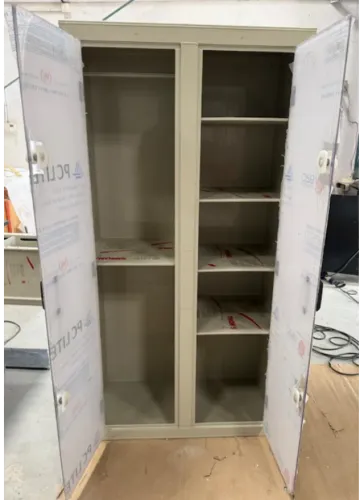
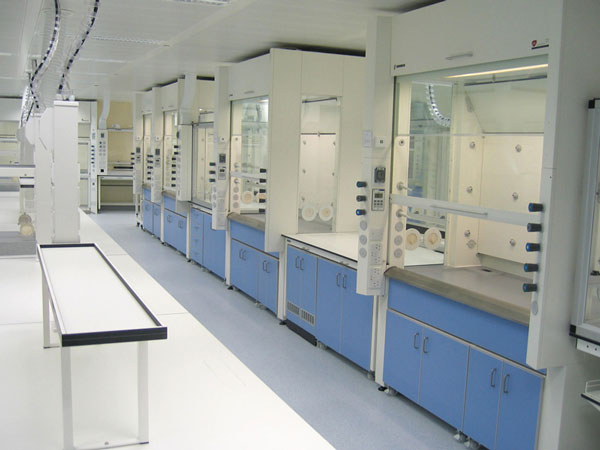 | Fume Cupboards We manufacture fume cupboard using thermoplastic products such PP,PPH and FRP. View product → |
Commissioning, alarms and ongoing containment checks
Commission the cupboard against a written design brief, not merely a fan-running signal. Record sash position, face-velocity readings at defined grid points, airflow distribution, exhaust volume, room cross-draught observations and alarm set points. Repeat the checks after ductwork, fan, sash, process equipment or room air-supply changes.
| Test | What it proves | Record to retain |
|---|---|---|
| Smoke visualisation | Reveals turbulence, dead zones and obvious leakage paths at the working sash height | Dated video or photographs, sash position and test conditions |
| ASHRAE 110 or EN 14175 containment testing | Measures tracer-gas containment performance under a defined test method | Full report, test configuration, acceptance result and corrective actions |
| Airflow and alarm challenge | Confirms airflow remains within the design range and the alarm responds when extraction falls | Instrument identification, calibration status, readings, alarm trip point and reset result |
| Exhaust inspection | Confirms discharge remains clear and is not recirculating toward intakes or work areas | Outlet inspection, fan condition, duct condition and inspection date |
Treat smoke visualisation as a diagnostic, not a substitute for quantitative containment testing. A cupboard can show a smooth smoke pattern and still lose fumes when equipment obstructs the baffles, the sash is raised, or a cross-draught reaches the opening.
Keep a dated log for every planned inspection and repair. Include filter or scrubber changes, fan and belt checks, alarm faults, failed tests, corrective work, retest results and the person who approved return to service. Remove the cupboard from chemical work after a failed containment or alarm test until the cause is corrected and documented.
Frequently asked questions
How does a fume cupboard capture chemical contaminants?
It encloses the release point and draws contaminated air away from the operator’s breathing zone before fumes spread through the room.
Where should the operator, process and sash be positioned?
Keep the operator outside the airflow path, place the process well inside the cupboard, and use the sash at the tested working position.
What do fume cupboard airflow measurements prove?
They show whether the cupboard reaches its specified airflow or face-velocity target; they do not prove complete containment during every process or spill.
How do you match a fume cupboard to a chemical hazard?
Assess the chemical’s volatility, toxicity, corrosiveness, temperature and release pattern, then select compatible materials and a capture arrangement for that hazard.