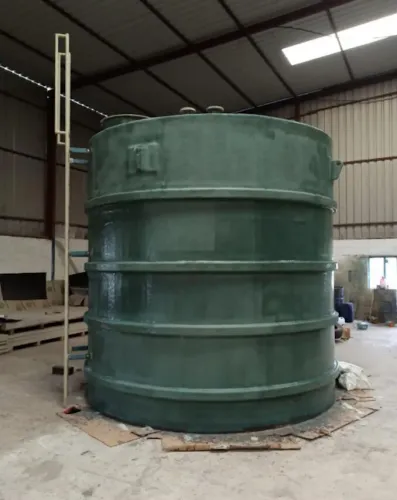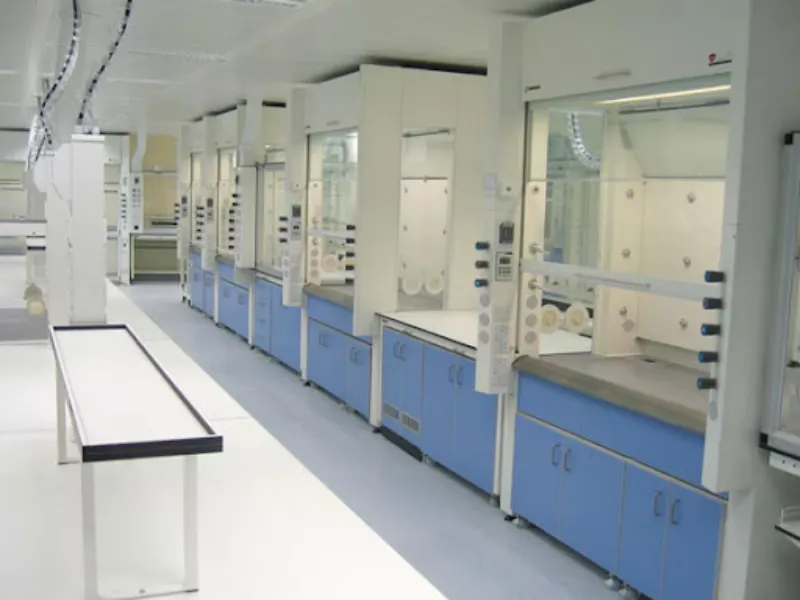
Chemical handling is common across electroplating, laboratory processing, jewellery manufacturing, PCB production, surface treatment, and industrial testing facilities. A properly selected Fume Cupboard provides a controlled working enclosure where processes involving potentially harmful fumes or vapours can be carried out with suitable extraction.
For industrial facilities in Bengaluru and across Karnataka, fume management should be considered during workspace planning rather than treated as an additional feature after operations begin.
How a Fume Cupboard Works
A Fume Cupboard creates an enclosed or partially enclosed work zone connected to an extraction arrangement. Air is drawn away from the operator and directed through an appropriate exhaust or treatment system.
Its primary purpose is to control airborne contaminants generated within the working area.
Depending on the application, the system may need to handle:
- Acid fumes
- Chemical vapours
- Solvent-related emissions
- Process gases
- Fine chemical mist
- Odorous fumes
The required construction and extraction arrangement will vary considerably between applications.
Material Selection Requires Attention
A cupboard used around corrosive chemicals needs construction materials suitable for the substances being handled.
PPH, PP, PVC, FRP, and stainless steel may be considered depending on chemical compatibility, operating conditions, temperature, mechanical requirements, and cleaning procedures.
Material selection should therefore follow an application assessment rather than a general preference.
Airflow Has to Match the Application
Effective fume containment depends heavily on airflow.
Too little extraction may allow fumes to escape into the surrounding workplace. Excessive airflow can create unnecessary energy consumption and may disturb certain processes.
The design should consider factors including:
- Opening dimensions
- Internal enclosure size
- Type of chemical
- Fume generation rate
- Process temperature
- Duct dimensions
- Exhaust routing
- Scrubbing requirements
The complete extraction path matters because the cupboard is only one part of the fume-control system.
Placement Influences Performance
Even correctly designed equipment can perform poorly when installed in an unsuitable location.
Strong cross-drafts from doors, windows, fans, or ventilation outlets may interfere with containment. Operator movement and surrounding equipment can also influence airflow.
During layout planning, manufacturers should assess the cupboard together with the overall ventilation pattern of the working area.
Routine Inspection Supports Consistent Operation
A Fume Cupboard should not be treated as equipment that can be installed and forgotten.
Routine inspection can include checking the enclosure, ducting, fan performance, joints, visible corrosion, airflow condition, and associated scrubber equipment.
Deposits and chemical residues may also require periodic cleaning according to the process involved.
Matching Equipment to Chemical Handling Needs
There is no single cupboard configuration suitable for every industrial process. Dimensions, construction material, extraction capacity, work surface, duct arrangement, and associated pollution-control equipment need to reflect the actual application.
For engineering and manufacturing facilities operating around Bengaluru, equipment selection is particularly important where corrosive chemicals form part of routine production. Companies such as Associated Surface Innovators manufacture customised surface treatment and fume-handling equipment for different industrial requirements.
Understanding the chemicals, process conditions, available space, and extraction needs before specifying a Fume Cupboard can lead to a more practical installation and more effective workplace fume management.
Keywords