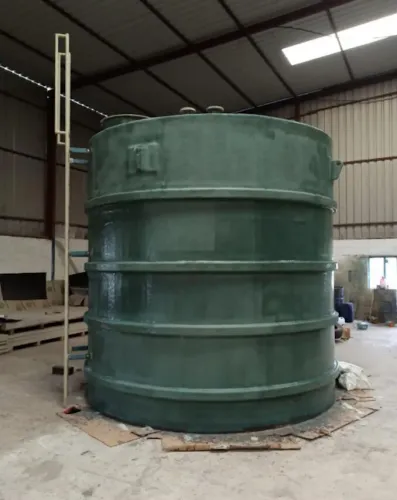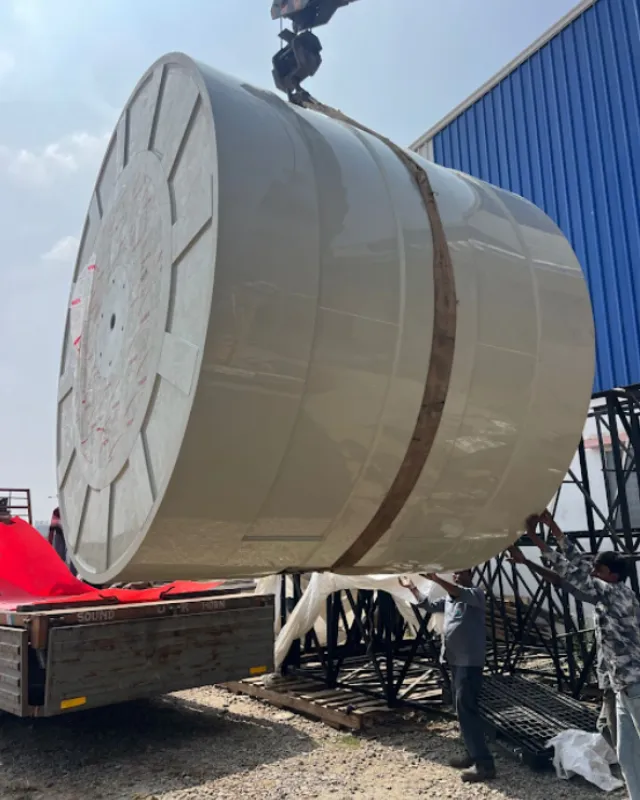
Leather processing involves repeated contact between materials, water, chemicals, and mechanical equipment. A PPH Tannery Drum can be considered where manufacturers require a fabricated thermoplastic drum suited to particular wet-processing conditions.
Selecting such equipment should involve an evaluation of process capacity, chemical exposure, mechanical requirements, loading methods, drainage, drive configuration, and maintenance needs.
Start With the Leather Processing Requirement
Different stages of leather processing can place different demands on equipment.
Before selecting a drum, manufacturers should document the intended process, batch size, chemical environment, operating duration, and production frequency.
This helps establish appropriate dimensions and construction requirements.
Evaluate Chemical Exposure
The drum material will come into contact with process liquids repeatedly.
Chemical compatibility should therefore be evaluated based on the actual substances, concentrations, and temperatures used in production.
PPH offers useful characteristics for various chemical-processing environments, but proper application assessment remains necessary.
Consider Batch Capacity Carefully
Larger equipment does not automatically create better production economics.
A drum should match realistic batch volumes and production scheduling. Excessive capacity can result in inefficient utilisation, while inadequate capacity may create production bottlenecks.
Businesses planning capacity expansion should evaluate expected future throughput alongside present demand.
Review the Mechanical Arrangement
Unlike a static chemical tank, a tannery drum involves movement.
The complete equipment therefore requires attention to structural fabrication, drive arrangement, supports, rotational requirements, loading access, and operating stability.
Maintenance accessibility around the drive system should also be considered when determining the installation layout.
Plan Loading and Discharge
Efficient production depends partly on how easily material can enter and leave the equipment.
The drum position, access arrangement, working height, drainage, and surrounding floor space should support practical operation.
Operators also need enough clearance to work without interfering with nearby machinery.
Check Utility Integration
The drum may require integration with water supply, chemical handling, drainage, electrical systems, and other production utilities.
These requirements should be mapped during equipment planning.
In existing factories, utility connection points can influence the final position of the equipment.
Look for Custom Engineering Capability
A tannery drum is not a generic storage product. The equipment needs to reflect processing conditions and mechanical operating requirements.
This makes supplier engineering capability an important buying consideration.
Manufacturers should discuss material specification, dimensions, capacity, drive arrangement, fabrication method, inspection, installation requirements, and maintenance provisions before placing an order.
While Bengaluru is known for electronics and engineering, Karnataka also supports diverse industrial processing and equipment requirements. Associated Surface Innovators manufactures customised thermoplastic equipment for chemical and surface treatment applications, including PPH fabrication.
Businesses evaluating a PPH Tannery Drum should approach procurement as an equipment-engineering project. When chemical compatibility, mechanical operation, capacity, utilities, material handling, and maintenance access are considered together, the resulting system can be better aligned with practical production requirements.
Keywords