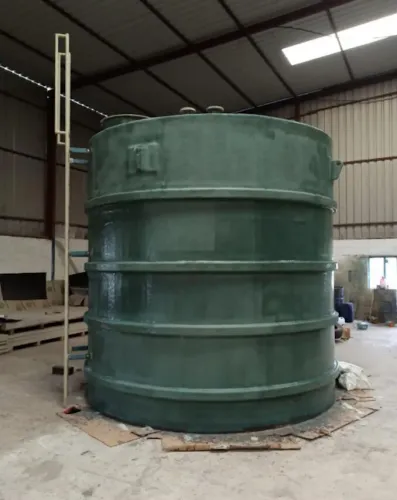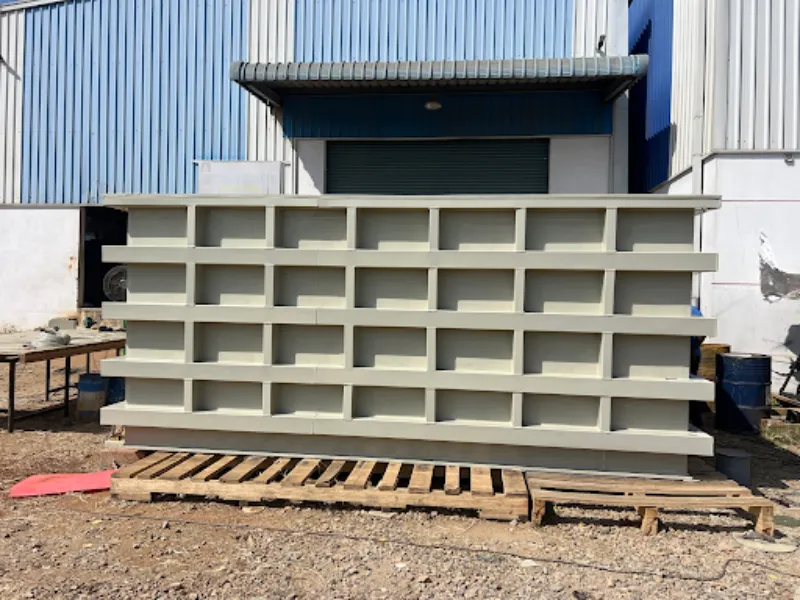
A PPH Tank is often selected for industrial chemical storage and processing applications where corrosion resistance, custom fabrication, and integration with existing equipment are important. Yet two PPH tanks of similar capacity can differ significantly in design, reinforcement, fittings, fabrication quality, and suitability for a particular process.
For procurement managers and plant teams, a pre-order technical review can prevent costly changes after fabrication.
Confirm the Chemical Service
The first requirement is complete process information.
Provide the tank manufacturer with the chemical name, concentration, specific gravity, normal operating temperature, maximum temperature, and expected exposure duration.
If the tank will handle more than one substance, provide details of every expected chemical condition.
This information is fundamental to material suitability.
Define Working Capacity
Do not specify capacity without explaining how the tank will operate.
The supplier should understand the normal working level, filling method, process volume, drainage requirement, and any necessary free space.
For process tanks, internal dimensions may also depend on the size of components being immersed.
Check the Fabrication Design
Review the proposed tank construction before approving production.
Important points include:
- Material specification
- Wall construction
- Reinforcement
- Bottom design
- Support arrangement
- Nozzle locations
- Drain provision
- Access opening
- Covers
- Internal partitions where required
For larger tanks, structural reinforcement becomes particularly important.
Map All Equipment Connections
Create a list of everything that needs to connect to the PPH Tank.
This can include pumps, filters, pipelines, heaters, cooling systems, level instruments, chemical dosing equipment, overflow lines, fume extraction hoods, and drainage.
A coordinated layout reduces installation changes.
Inspect the Proposed Site
Before finalising tank dimensions, verify the installation area physically.
Measure available floor space, height, access route, doorway dimensions, nearby equipment, utility locations, and maintenance clearance.
This is particularly important for established factories in Bengaluru where new equipment may need to be installed within an existing production layout.
Ask About Testing and Inspection
Procurement teams should understand how the fabricated tank will be inspected before dispatch.
The appropriate inspection approach depends on tank design and application. Fabrication quality, joints, fittings, dimensions, and overall workmanship should be checked against the approved specification.
Technical documentation can also be useful for future maintenance records.
Evaluate Readiness Before Placing the Order
A business is generally ready to request a detailed tank proposal when it can provide the chemical data, required capacity, operating temperature, installation dimensions, connection schedule, and intended application.
If these details remain uncertain, completing the process assessment first can reduce specification changes later.
Associated Surface Innovators in Bengaluru manufactures customised PPH, PP, PVC, FRP, and stainless-steel tanks alongside electroplating plants, PCB plants, fume extraction systems, and scrubbers for industrial applications across Karnataka.
A well-specified PPH Tank should fit the chemical process as closely as it fits the available space. Providing accurate operating information before fabrication gives both the buyer and equipment manufacturer a stronger technical foundation for developing a practical industrial installation.
Keywords