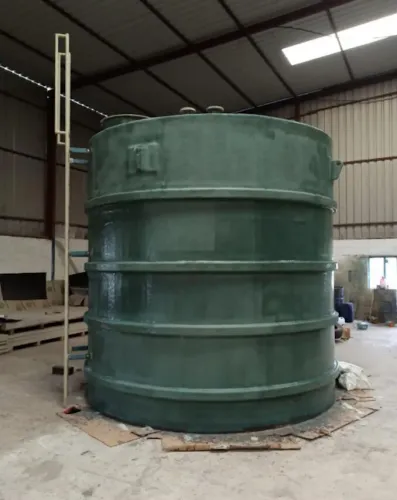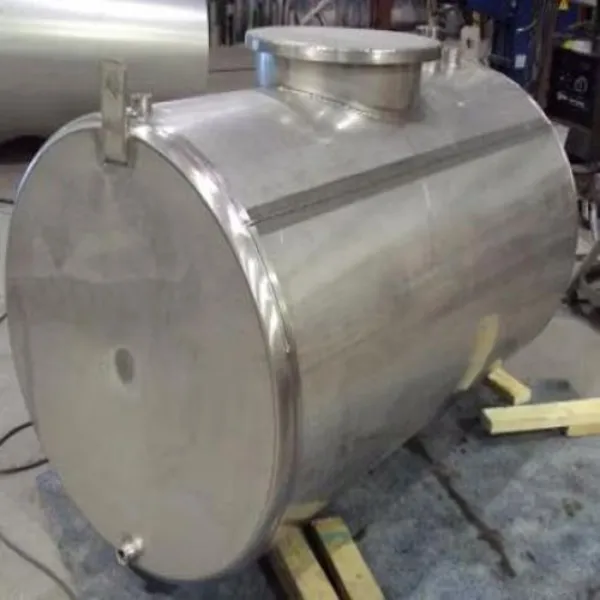
An SS Tank can be a practical choice for industrial storage, processing, rinsing, mixing, and selected surface treatment applications. Yet stainless steel is not universally suitable for every chemical environment. Selecting the correct tank requires evaluating the grade of stainless steel, process conditions, temperature, fabrication requirements, and expected service environment.
For engineering companies and manufacturing plants in Bengaluru, tank selection becomes especially important when equipment needs to integrate with an existing production line.
Start With the Stored Material
The first question should be simple: what will the tank contain?
Water, process liquids, chemicals, cleaning solutions, and production fluids can interact differently with stainless steel. Concentration and temperature can also influence corrosion behaviour.
Before requesting fabrication, provide the equipment manufacturer with accurate details about the liquid, operating temperature, specific gravity, and expected holding time.
Check the Stainless Steel Grade
Different stainless steel grades offer different performance characteristics.
A grade suitable for one general-purpose application may not be appropriate for another process involving aggressive chemicals. This is why tank procurement should not be reduced to specifying only dimensions and capacity.
Material grade needs to be matched with the intended service.
Examine Fabrication Requirements
Tank fabrication quality influences structural reliability, cleanability, and long-term maintenance.
Buyers should review:
- Welding quality
- Surface finish
- Reinforcement
- Nozzle positioning
- Drain arrangement
- Access openings
- Support structure
- Cover design
- Pipeline connections
Where process cleanliness matters, internal finishing and geometry may require additional attention.
Consider the Complete Installation
An SS Tank rarely operates completely independently.
It may need to connect with pumps, filters, heaters, pipelines, sensors, dosing systems, agitators, or process machinery. These interfaces should ideally be identified before fabrication begins.
Changing nozzle positions after installation can create additional fabrication work and disrupt the planned plant layout.
Think About Maintenance Access
Industrial procurement decisions sometimes focus heavily on purchase specifications while giving less attention to routine maintenance.
Operators may need access for inspection, cleaning, instrumentation, valves, pipelines, or internal components. Adequate space around the tank should therefore be included in equipment layout planning.
Avoid Selecting Only by Price
Two tanks with the same nominal capacity may have very different construction specifications.
Material grade, thickness, reinforcement, welding, fittings, finishing, testing, and accessories can all influence cost. Comparing quotations without checking these details may lead to misleading conclusions.
A better evaluation compares the technical scope first and the commercial proposal second.
Evaluate the Fabricator's Engineering Capability
Custom industrial tanks often need application-specific design rather than standard fabrication.
A supplier familiar with surface treatment equipment can help coordinate the tank with associated piping, filtration, fume extraction, and production equipment.
In Bengaluru's manufacturing sector, Associated Surface Innovators provides customised tanks and surface treatment systems for industrial applications. Buyers planning an SS Tank can benefit from discussing chemical characteristics, capacity, available footprint, connections, and process requirements before the final design is approved.
The right SS Tank is not simply the one that fits the available floor area. It is the one whose material, fabrication, interfaces, and operating characteristics fit the process it is expected to support.
Keywords