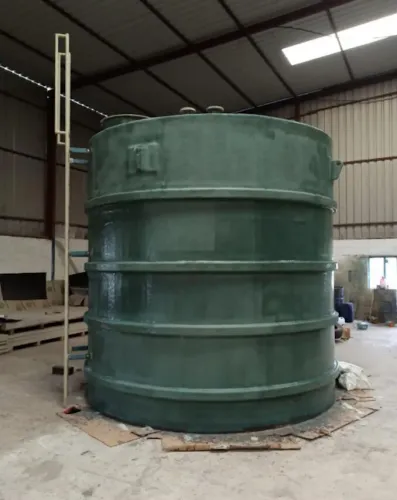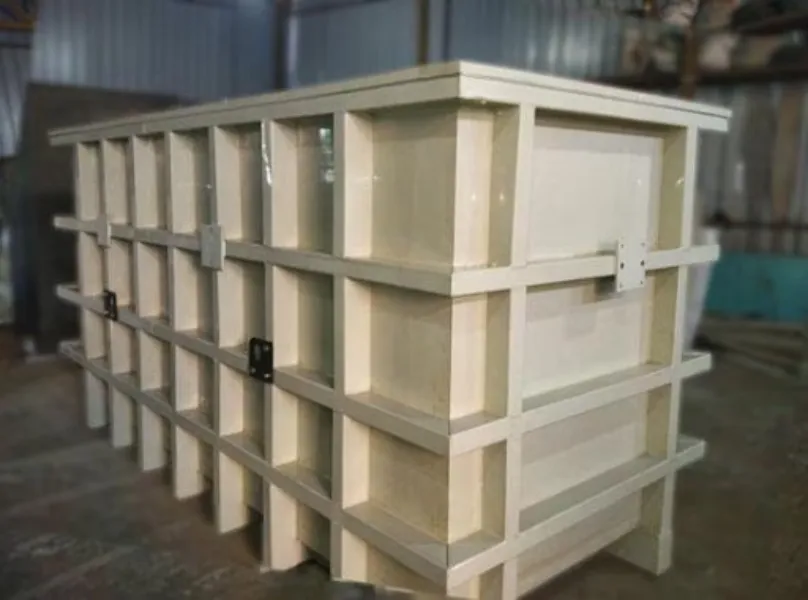
Industrial manufacturing facilities frequently need reliable storage for compatible chemicals, process liquids, and treatment solutions. A PP Storage Tank can be used in many applications where polypropylene offers suitable chemical-resistant characteristics for the intended operating environment.
For electroplating, PCB, automotive component, and surface finishing plants in Bengaluru, tank design should be developed around the liquid, process conditions, required capacity, and installation area.
Why Polypropylene Is Used for Industrial Tanks
Polypropylene is used in industrial fabrication for many compatible chemical-handling applications.
Its suitability depends on factors such as:
- Chemical composition
- Concentration
- Temperature
- Storage duration
- Structural requirements
- Tank dimensions
It should never be assumed that a single material is appropriate for every chemical.
Storage Requirements Need Clear Definition
A useful tank specification begins with the actual application.
Plant engineers should determine whether the tank will serve bulk chemical storage, intermediate process storage, preparation, transfer, treatment, or another purpose.
This affects the required connections and layout.
Tank Dimensions Affect Plant Space
Industrial plants often have limited floor space.
The required capacity can usually be achieved using different height and width combinations, but not every configuration will suit the site.
Engineers should verify:
- Available floor dimensions
- Maximum permissible height
- Equipment access route
- Nearby piping
- Maintenance space
- Supporting structure
These practical constraints should be shared with the manufacturer before final design.
Plan Tank Connections Properly
A PP storage tank may require several connections depending on the process.
Common provisions include filling, discharge, overflow, drain, venting, pump suction, level monitoring, and inspection access.
Connection sizes and locations should coordinate with plant pipelines.
Early planning can reduce installation modifications.
Bengaluru Manufacturing Environment
Manufacturing units across Bengaluru and Karnataka frequently operate within established industrial facilities where new equipment needs to integrate with existing systems.
This is especially common in electroplating and surface finishing operations where tanks, pipelines, fume extraction, pumps, filtration equipment, and production lines occupy the same area.
Associated Surface Innovators manufactures industrial process equipment in Bengaluru, including chemical-resistant tanks developed according to process and site requirements.
Maintenance Should Influence Layout
Industrial tanks require periodic inspection.
Plant layouts should provide suitable access to drains, connections, inspection openings, pumps, valves, and surrounding pipelines.
Positioning a tank purely to maximise floor utilisation can make future maintenance difficult.
Information Procurement Teams Should Provide
A PP Storage Tank enquiry should ideally include:
- Liquid being stored
- Chemical concentration
- Storage temperature
- Required capacity
- Available dimensions
- Installation location
- Required fittings
- Filling arrangement
- Discharge arrangement
- Existing site restrictions
This information allows a manufacturer to prepare a more relevant technical proposal.
For industrial facilities in Bengaluru, selecting a PP Storage Tank should involve more than comparing litres and price.
Chemical compatibility, structural design, connections, layout, installation conditions, and future maintenance all contribute to equipment suitability. A detailed procurement specification helps ensure the tank is designed around the realities of the plant where it will operate.
Keywords