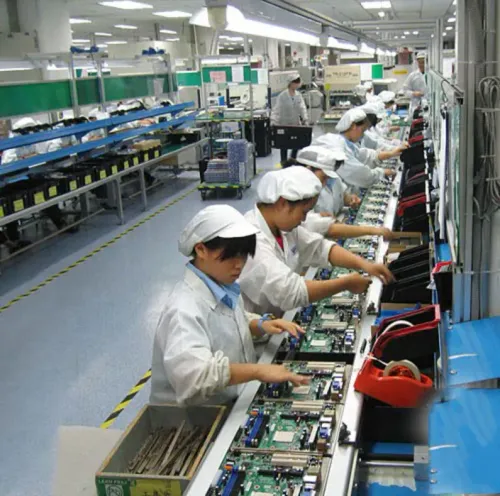
Printed circuit board manufacturing involves tightly controlled chemical processes where equipment consistency can directly affect production quality. Well-planned PCB Plants require coordinated process tanks, rinsing systems, chemical handling, material movement, utilities, and fume extraction.
For electronics manufacturers in Bengaluru, planning these elements as one integrated system can simplify both production and maintenance.
Begin With the Process Sequence
PCB processing involves multiple stages.
The exact sequence depends on the type of board, manufacturing method, chemistry, and production requirement.
Before equipment design begins, engineers should map every process stage and determine what each stage needs in terms of tank size, chemical compatibility, temperature, rinsing, timing, and handling.
Tank Dimensions Affect Production
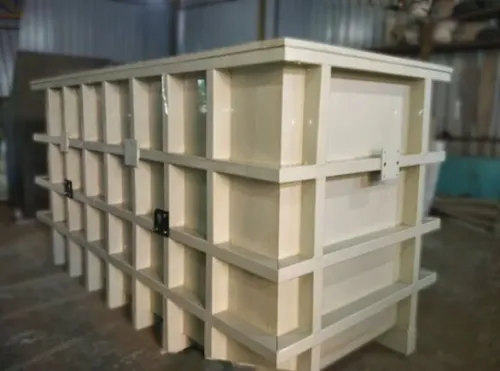
Tank capacity should be selected according to more than liquid volume.
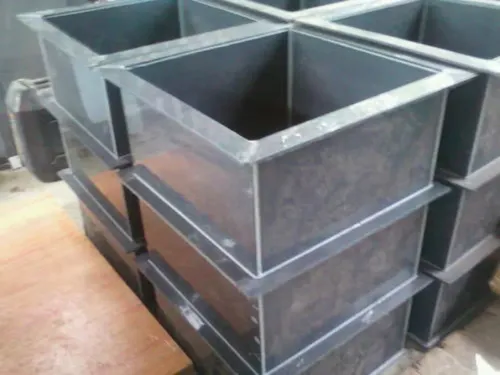
Board dimensions, rack size, production batch, spacing, handling systems, and operating depth all influence tank design.
Oversized tanks can unnecessarily increase chemical inventory.
Undersized equipment can restrict throughput and make material handling difficult.
Chemical Compatibility Is Critical
Different processing stages can involve different chemical conditions.
Tank materials should therefore be evaluated individually according to chemical composition, concentration, temperature, and mechanical requirements.
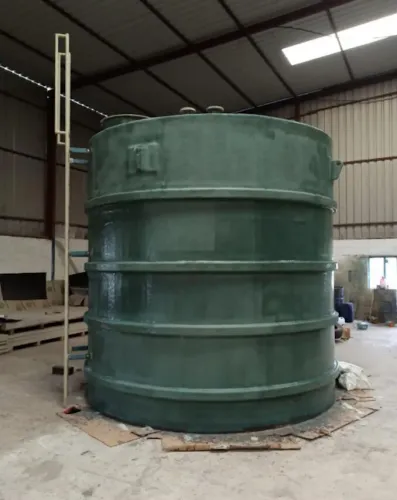
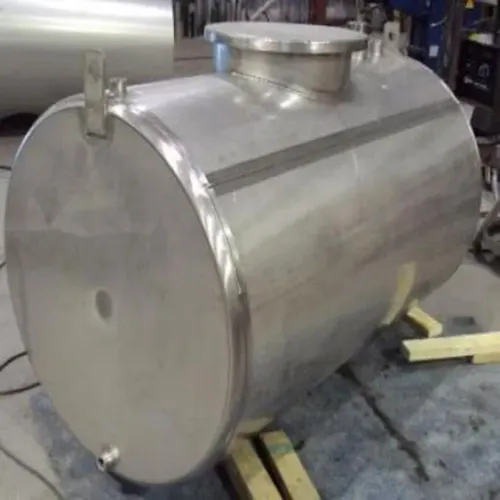
Materials such as PP, PPH, PVC, HDPE, FRP, and stainless steel may suit different industrial applications depending on the operating environment.
Rinsing Needs Proper Planning
Rinsing stages influence chemical carryover and process consistency.
PCB plant designers should consider the number of rinse tanks, flow arrangement, water consumption, board movement, and relationship between rinsing and adjacent chemical stages.
Good layout planning can make the complete process easier to operate.
Fume Extraction Should Be Integrated
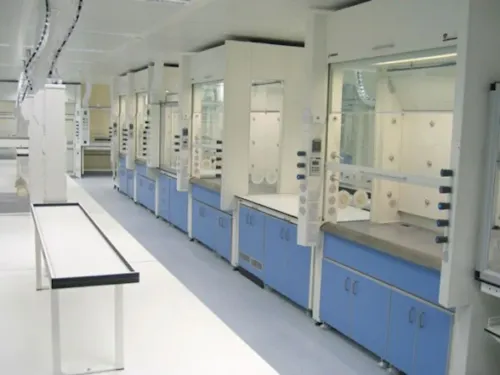
Processes that generate fumes need appropriately positioned capture points.
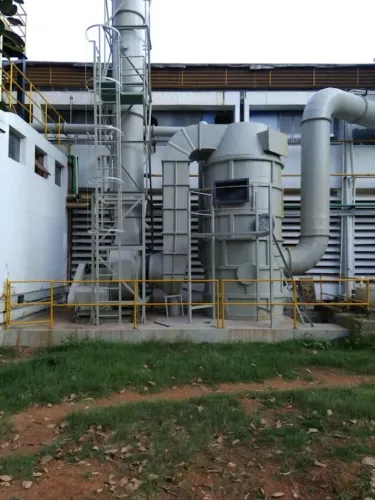
Tank arrangement, hood design, duct routing, scrubber placement, and exhaust fan requirements should be planned alongside the process line.
Trying to add extraction after installation can create space and airflow challenges.
Manufacturing Requirements in Bengaluru
Bengaluru has one of India's strongest electronics and engineering manufacturing ecosystems.
PCB manufacturers serving electronics, industrial controls, automotive applications, telecommunications, and advanced technology sectors require process equipment that matches their production needs.
Associated Surface Innovators manufactures industrial process and surface finishing equipment in Bengaluru, including equipment applicable to PCB processing and associated chemical-handling systems.
Maintenance Access Should Not Be Overlooked
A compact plant layout may appear efficient initially, but insufficient maintenance space can create problems later.
Engineers should leave suitable access for tanks, pipelines, pumps, filters, exhaust ducting, utilities, and inspection points.
Production equipment also needs to accommodate future repairs and process modifications.
Information Needed Before Plant Design
A detailed PCB plant enquiry should contain:
- Board dimensions
- Production capacity
- Process sequence
- Chemicals
- Operating temperatures
- Tank requirements
- Handling method
- Exhaust needs
- Utility availability
- Floor space
- Automation requirements
- Expansion plans
PCB Plants should be engineered around the entire production process rather than assembled as unrelated pieces of equipment.
For PCB manufacturers in Bengaluru and Karnataka, careful coordination between process chemistry, tank fabrication, material handling, rinsing, utilities, and fume control provides a stronger foundation for reliable production.
Keywords