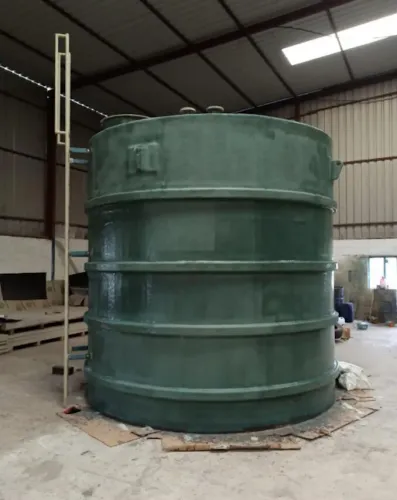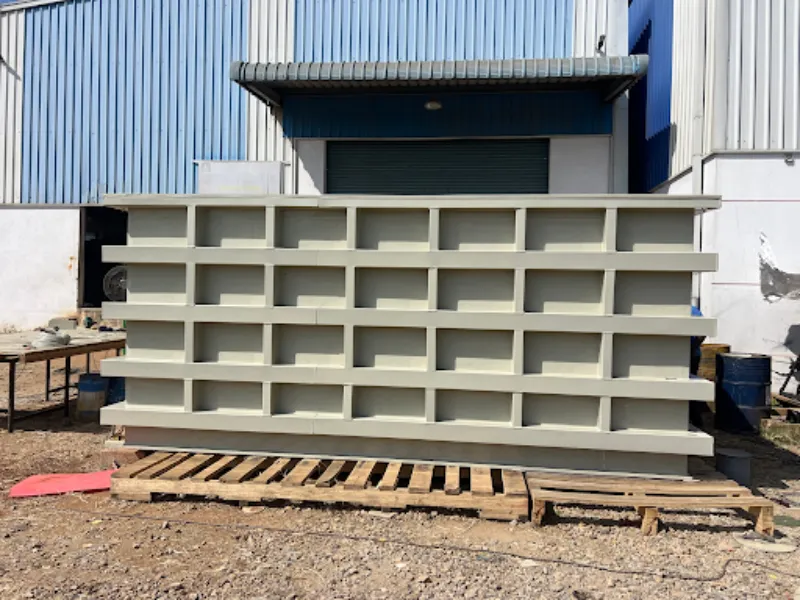
Industrial chemical processing requires equipment that can handle demanding operating conditions without creating unnecessary maintenance challenges. A PPH Tank is widely considered for applications involving corrosive chemicals, surface treatment solutions, electroplating processes, and industrial liquid handling.
For manufacturers in Bengaluru, tank selection is particularly important because industries such as automotive components, electronics, PCB manufacturing, precision engineering, and surface finishing regularly work with chemicals that require compatible process equipment.
Why PPH Tanks Are Used in Industrial Plants
PPH stands for polypropylene homopolymer. The material is known for its chemical-resistant properties and is used in fabricated industrial equipment for many compatible chemical-processing applications.
PPH tanks can be designed for:
- Electroplating processes
- Surface treatment lines
- Chemical preparation
- Industrial liquid storage
- Pickling applications
- PCB processing
- Metal finishing processes
- Chemical treatment systems
The actual suitability of a PPH tank depends on the chemical composition, concentration, operating temperature, tank size, and process requirements.
Tank Design Should Match the Process
Selecting a tank by capacity alone is rarely sufficient for industrial applications.
A process tank may require inlet and outlet connections, circulation arrangements, filtration connections, heating provisions, level systems, overflow arrangements, drain points, inspection access, and fume extraction interfaces.
The physical dimensions should also match the production workflow.
For example, an electroplating process tank may need to accommodate component dimensions and material movement while maintaining adequate space for fixtures, racks, pipelines, and associated equipment.
Chemical Compatibility Needs Careful Evaluation
Plant engineers should provide complete chemical information before finalising tank construction.
Important details include:
- Chemical name
- Chemical concentration
- Normal operating temperature
- Maximum operating temperature
- Required working volume
- Expected operating hours
- Indoor or outdoor installation
- Process accessories
This information allows the tank manufacturer to assess the application more accurately.
Industrial Requirements in Bengaluru
Bengaluru and Karnataka have a diverse manufacturing ecosystem that includes electronics, aerospace support industries, automotive components, industrial engineering, PCB production, and surface finishing units.
Many of these facilities require fabricated tanks that can integrate with existing production equipment.
Associated Surface Innovators manufactures industrial process and surface finishing equipment in Bengaluru, including tanks designed around application-specific chemical-handling requirements.
Working with detailed process information helps ensure that tank dimensions, connections, fabrication, and supporting systems fit the actual plant requirement.
Maintenance Access Matters
A tank that performs well during normal production should also remain accessible during inspection and maintenance.
Engineers should consider drainage, inspection access, cleaning requirements, pipeline positioning, surrounding equipment, and available working space before approving the final layout.
Poor accessibility can make routine plant maintenance unnecessarily difficult.
A PPH Tank is therefore best treated as engineered process equipment rather than a simple fabricated container. Chemical compatibility, temperature, structural requirements, connections, plant layout, production capacity, and future maintenance should all influence the final specification.
For industrial plants in Bengaluru, preparing a detailed technical requirement before procurement can significantly improve equipment selection and help the tank integrate smoothly with the wider manufacturing process.
Keywords