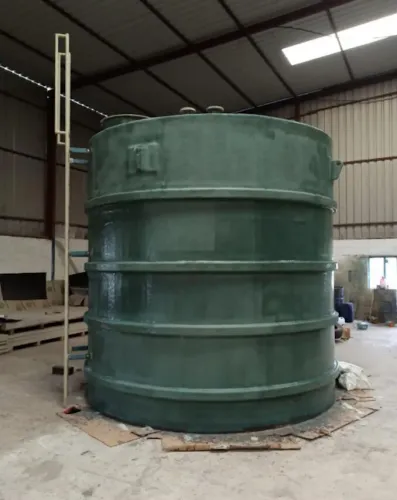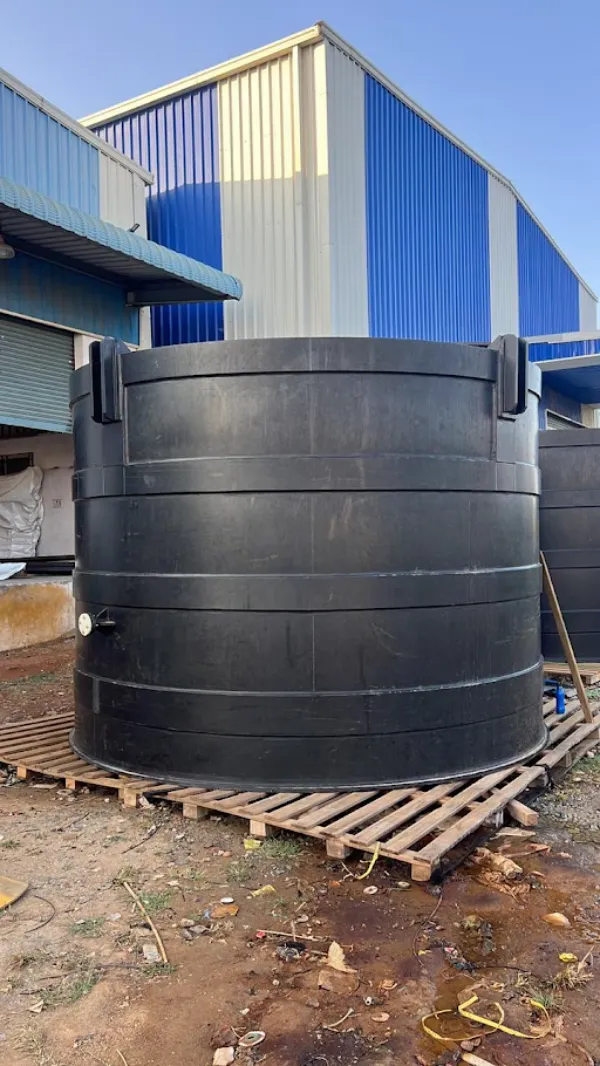
Reliable industrial liquid storage begins with selecting a tank material that suits the substance being handled and the conditions inside the plant. An HDPE Storage Tank is commonly considered for many compatible chemical, water, and industrial liquid storage applications because HDPE provides useful corrosion-resistant characteristics.
Manufacturing facilities in Bengaluru often require storage tanks as part of chemical-processing, surface treatment, production, and utility systems.
Understanding HDPE Storage Tank Applications
High-density polyethylene is used in fabricated and moulded equipment across many industrial sectors.
Depending on compatibility and operating requirements, HDPE storage tanks may be considered for:
- Chemical storage
- Process-water storage
- Industrial liquid handling
- Surface finishing plants
- Electroplating facilities
- PCB manufacturing units
- Treatment systems
- Manufacturing utilities
The intended liquid should always be evaluated before deciding whether HDPE is appropriate.
Capacity Is Only One Specification
One of the most common procurement mistakes is requesting a tank based only on litres.
A complete storage tank requirement should include much more.
Plant engineers should determine the required volume, chemical characteristics, operating temperature, installation location, available floor area, filling arrangement, discharge requirement, venting, and supporting structure.
Tank dimensions can also affect installation.
A tall tank may provide the required capacity while creating height restrictions. A wider tank may simplify height requirements while occupying valuable production floor space.
The correct configuration depends on the site.
Connections Need Early Planning
Industrial storage tanks usually connect with other equipment.
Typical provisions may include:
- Filling connections
- Pump suction connections
- Drain points
- Overflow arrangements
- Vent connections
- Level monitoring provisions
- Inspection openings
- Pipeline interfaces
Connection positions should be agreed upon before fabrication.
Changing nozzle locations after installation can increase project time and create unnecessary modifications.
Consider the Installation Environment
Indoor and outdoor installations may have different structural and environmental considerations.
The supporting floor, surrounding equipment, available maintenance space, pipeline routes, and equipment access should be assessed before finalising dimensions.
This becomes especially important when a new storage tank is being added to an operating manufacturing facility.
Associated Surface Innovators manufactures industrial process and surface finishing equipment in Bengaluru for industries that require chemical-resistant tanks and associated process systems.
For Karnataka manufacturers, discussing site conditions during the design stage helps align equipment with actual operational needs.
Prepare a Better Tank Enquiry
Procurement teams can improve quotation accuracy by providing a technical brief containing:
- Stored liquid
- Concentration
- Required capacity
- Operating temperature
- Installation location
- Available space
- Required connections
- Filling method
- Discharge method
- Maintenance requirements
A clearly defined requirement allows manufacturers to focus on engineering suitability rather than making assumptions.
An HDPE Storage Tank can provide dependable industrial storage when chemical compatibility, dimensions, fittings, fabrication requirements, and installation conditions are evaluated together.
For manufacturing plants in Bengaluru, careful specification at the beginning of a project helps create a storage solution that fits both the chemical requirement and the physical realities of the production facility.
Keywords