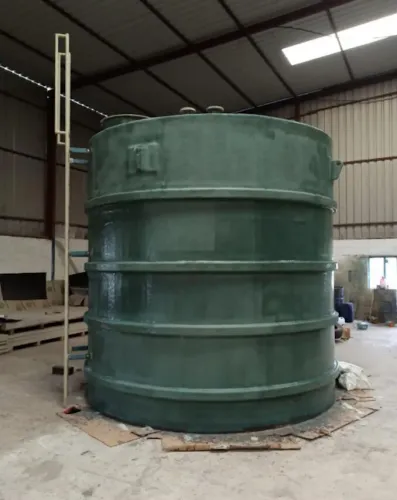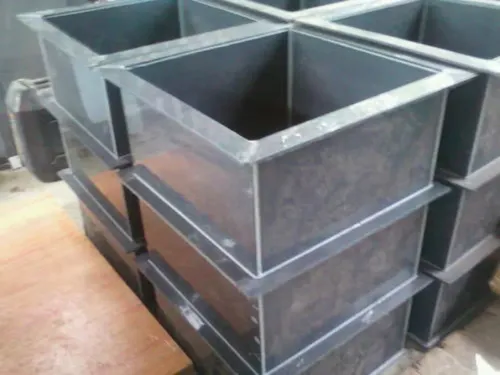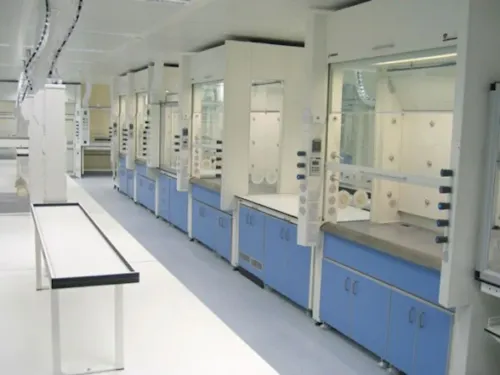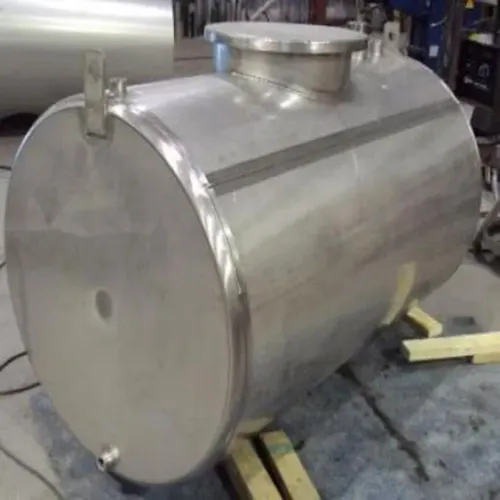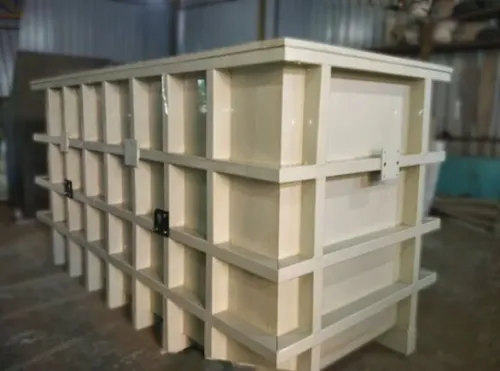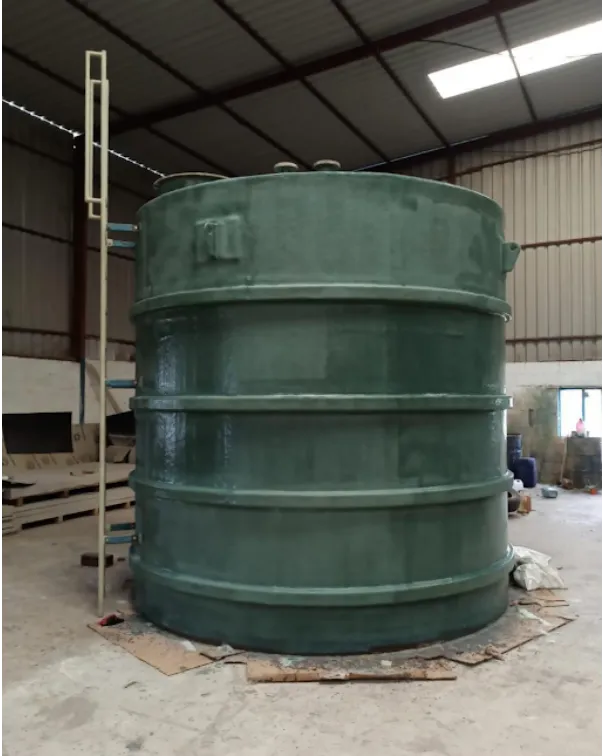
Industrial storage and processing systems often operate in environments where corrosion resistance is an important equipment requirement. An FRP Tank can be considered for many compatible chemical and industrial applications when its construction is engineered around the actual operating conditions.
FRP stands for fibre-reinforced plastic. Its performance depends on several factors, including resin selection, reinforcement, fabrication method, chemical exposure, temperature, and structural loading.
Understanding FRP Tank Construction
FRP should not be treated as one universal material specification.
Different applications may require different resin systems and construction methods.
The chemical being handled is therefore one of the first details a tank manufacturer needs to know.
Industrial buyers should provide:
- Chemical composition
- Concentration
- Operating temperature
- Required capacity
- Tank orientation
- Installation environment
- Process conditions
These details support appropriate construction decisions.
Common Industrial Applications
Depending on the application, FRP tanks may be used in:
- Chemical storage
- Industrial treatment systems
- Surface finishing facilities
- Process-water applications
- Manufacturing utilities
- Chemical-processing plants
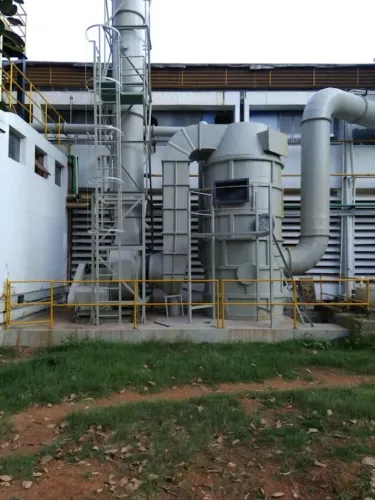
- Pollution-control systems
The final material construction needs to suit the specific substance being stored or processed.
Structural Design Matters
Chemical resistance alone is not enough.
A tank must also withstand the physical loads created by its contents and installation conditions.
Tank height, diameter, capacity, specific gravity of the liquid, external supports, nozzles, and operating environment can influence structural requirements.
Large industrial tanks require particular attention to reinforcement and supporting arrangements.
Connections Should Match Plant Operations
Industrial tanks generally interact with pumps, pipelines, level systems, and processing equipment.
Connection details should therefore be finalised before fabrication.
Typical requirements may include:
- Inlet connections
- Outlet connections
- Drain points
- Overflow arrangements
- Venting
- Level provisions
- Inspection access
Correct positioning can simplify plant piping and improve maintenance accessibility.
Requirements Across Bengaluru Industries
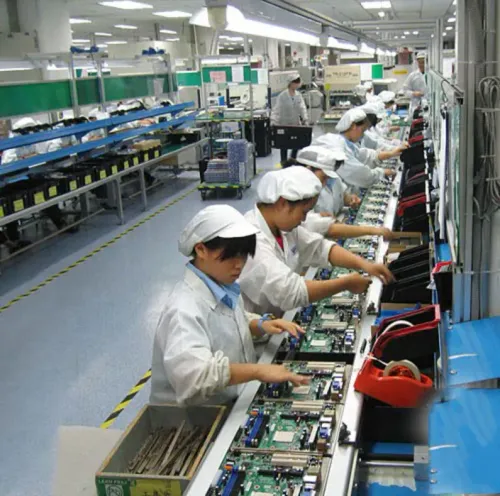
Manufacturing facilities across Bengaluru and Karnataka operate in sectors such as engineering, automotive components, electronics, metal finishing, and chemical processing.
These industries often need tanks that are designed around specific plant conditions rather than generic dimensions.
Associated Surface Innovators manufactures industrial process and surface finishing equipment in Bengaluru, supporting chemical-handling requirements where tanks form part of larger production systems.
Maintenance Planning Should Start Early
Industrial equipment should remain accessible after surrounding pipelines and machinery have been installed.
Plant engineers should assess cleaning requirements, inspection points, drainage, nozzle accessibility, nearby structures, and available maintenance space.
A tank placed too close to other equipment can create difficulties during routine servicing.
Procurement Should Focus on Application Suitability
Price comparisons are most meaningful when suppliers are quoting against the same detailed specification.
Provide every shortlisted manufacturer with identical information about chemicals, capacity, temperature, fittings, dimensions, and site conditions.
An FRP Tank should ultimately be selected according to chemistry, structural requirements, fabrication quality, connections, and operating environment.
For industrial buyers in Bengaluru, a technically detailed enquiry creates a much stronger basis for procurement than choosing a tank based only on capacity and initial purchase cost.
Keywords