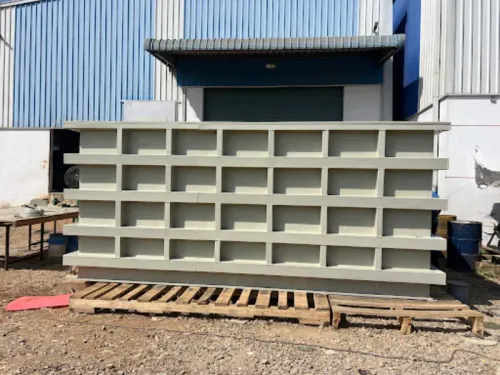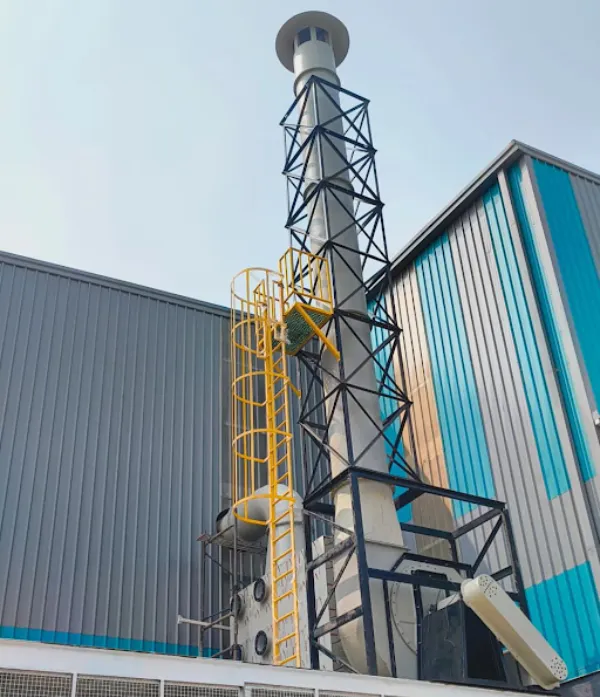
Acid-based industrial processes can generate fumes that need effective capture and controlled removal from production areas. An Acid Fume Exhaust System is designed to collect fumes close to their source and move the contaminated air through suitable ducting and treatment equipment where required.
For electroplating, PCB, metal finishing, and chemical-processing facilities in Bengaluru, the exhaust system should be developed around actual process conditions.
Fume Capture Begins at the Tank
The first objective is capturing fumes before they spread into the surrounding work area.
This often requires extraction arrangements positioned near process tanks.
The correct setup depends on tank dimensions, process temperature, chemical activity, production conditions, and surrounding air movement.
A high-capacity exhaust fan cannot compensate for ineffective source capture.
Hood Design Influences Extraction
Extraction hoods need to collect fumes without interfering unnecessarily with production activities.
Their position and configuration should reflect tank size, workpiece movement, operator access, and process layout.
Each extraction point also contributes resistance to the wider duct system.
Ducting Needs Proper Engineering
Duct size and routing can strongly affect system performance.
Excessive bends, unsuitable dimensions, unbalanced branches, and unnecessary duct length may influence airflow.
Plants with multiple process tanks need an exhaust layout that distributes extraction appropriately across the connected points.
Fan Selection Depends on the Complete System
Selecting an exhaust fan based only on airflow can be misleading.
The fan needs to operate against the resistance created by hoods, ductwork, bends, treatment equipment, and other system components.
This is why the entire exhaust arrangement should be evaluated before fan selection.
Fume Treatment May Be Required
Depending on the industrial process, extracted fumes may need treatment through equipment such as fume scrubbers.
The scrubber, fan, ducting, and source-capture arrangements should work as a coordinated system.
Designing these components independently can lead to performance issues.
Surface Finishing Requirements
Bengaluru has extensive manufacturing activity in automotive components, PCB production, electronics, engineering, metal finishing, and precision manufacturing.
Many such industries operate chemical processes where effective fume management is an important part of plant design.
Associated Surface Innovators manufactures surface finishing and industrial process equipment in Bengaluru, including systems developed for chemical fume extraction and associated treatment requirements.
Signs an Existing System Needs Review
Plant teams should investigate the exhaust arrangement when they notice:
- Visible fumes escaping process areas
- Uneven suction between tanks
- Corrosion around surrounding equipment
- Persistent process odours
- Production capacity increases
- New process tanks added to the line
- Changes in operating temperature
- Frequent fan problems
These signs do not automatically identify one specific fault. They indicate that the complete system should be assessed.
Information Needed for a New System
Provide the manufacturer with chemical details, tank dimensions, operating temperatures, number of extraction points, plant layout, production conditions, available duct routes, and installation space.
An Acid Fume Exhaust System works most effectively when tank extraction, hood design, ducting, airflow, treatment equipment, and fan performance are engineered together.
For surface finishing plants in Bengaluru and Karnataka, a process-specific exhaust design provides a stronger foundation for effective fume management than selecting standalone components independently.
Keywords