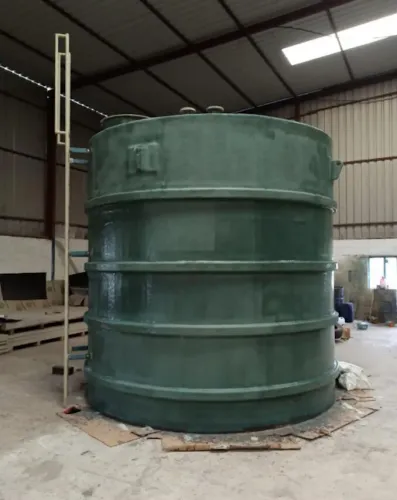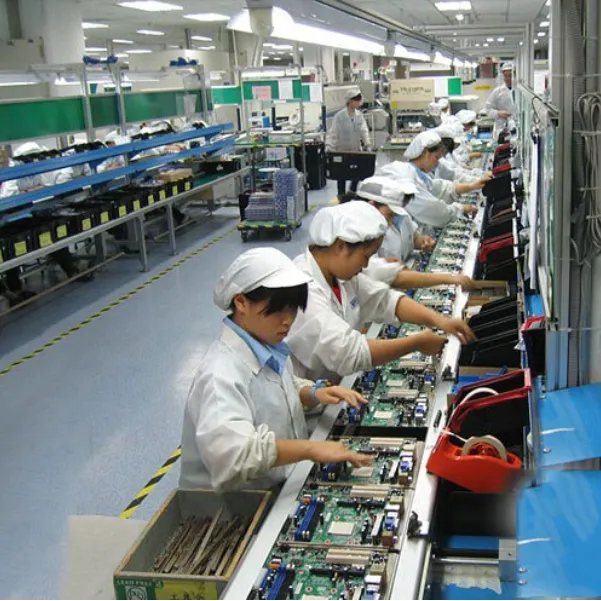
A well-planned PCB Plant is essential for manufacturers that need consistent surface preparation, chemical processing, rinsing, plating, and finishing of printed circuit boards. The quality of the finished PCB depends not only on chemistry but also on how effectively the complete processing line controls chemical contact, contamination, movement, ventilation, and operating conditions.
For PCB manufacturers in Bengaluru and other industrial regions of Karnataka, understanding the basic design of a PCB processing plant can help when planning a new facility, expanding production capacity, or upgrading an older surface treatment line.
What Happens Inside a PCB Plant
A PCB production facility may contain several wet-processing stages depending on the type of board being manufactured. Each stage performs a specific function and must work consistently with the next process.
Typical wet-processing operations can include:
- Cleaning and surface preparation
- Chemical treatment
- Etching
- Rinsing
- Copper deposition
- Electroplating
- Surface finishing
- Neutralisation
- Drying
- Wastewater handling
The exact arrangement depends on production volume, board specifications, chemical processes, automation requirements, and available factory space.
Why Tank Design Matters
Processing tanks are among the most important components in a PCB Plant. Different chemicals require suitable construction materials such as PP, PVC, FRP, or stainless steel.
Selecting tank material without considering chemical compatibility can reduce equipment life and create unnecessary maintenance requirements. Temperature, chemical concentration, tank dimensions, operating load, and process duration should therefore be evaluated before fabrication.
Tank geometry also affects production efficiency. Operators need sufficient working space while the equipment layout should support safe loading, unloading, inspection, and maintenance.
Ventilation Is Part of Process Planning
Chemical processing can generate fumes, vapours, and mist. Effective extraction is therefore an important part of PCB plant design.
A properly engineered fume extraction arrangement generally considers the source of fumes, tank dimensions, chemical characteristics, operating temperature, duct routing, extraction velocity, and treatment requirements.
Simply installing an exhaust fan may not provide adequate control. The extraction system needs to work as an integrated part of the processing line.
Manual and Automated Plant Configurations
Smaller production units may use manual movement between process tanks, while facilities handling higher volumes may consider semi-automatic or automatic material handling.
Automation can help improve repeatability by controlling parameters such as:
- Immersion duration
- Movement sequence
- Transfer timing
- Process consistency
- Production tracking
However, automation should match actual production requirements rather than being added simply because it is technically possible.
Planning for Maintenance Access
One frequently overlooked consideration is maintenance accessibility. Pumps, pipelines, ducts, valves, electrical components, tanks, and filtration equipment need periodic inspection.
A compact plant may appear efficient on a drawing, but insufficient maintenance clearance can create operational difficulties later.
Manufacturers should therefore consider maintenance access during the initial layout stage rather than after equipment installation.
Building the Plant Around the Process
A PCB Plant should ultimately be designed around the actual manufacturing process. Production capacity, board dimensions, chemistry, material movement, ventilation, utilities, operator access, and future expansion all influence the final configuration.
In Bengaluru's established electronics and engineering manufacturing ecosystem, custom equipment manufacturers such as Associated Surface Innovators work with industrial requirements involving PCB and electroplating plant systems. Understanding the complete process before finalising equipment specifications helps manufacturers develop facilities that are practical for present production while remaining adaptable to changing manufacturing requirements.
Keywords