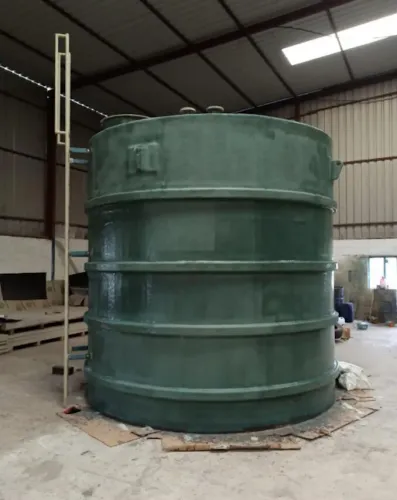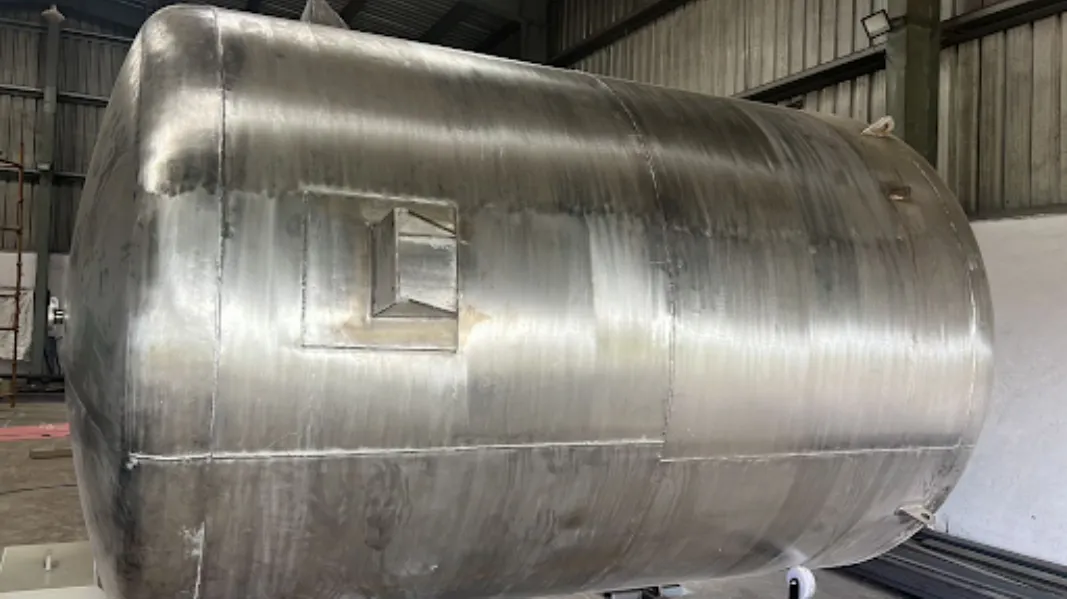
An Acid Storage Tank performs a demanding role in industrial facilities. It may hold corrosive substances for production, chemical treatment, electroplating, cleaning, or other manufacturing processes. A poor selection can create maintenance problems, premature equipment deterioration, difficult handling, and operational disruption.
For industrial buyers, avoiding a few common specification mistakes can significantly improve the quality of the final installation.
Choosing Material Without Full Chemical Data
One of the most significant mistakes is specifying tank material before confirming chemical conditions.
The manufacturer should know the exact acid, concentration, operating temperature, specific gravity, and storage conditions.
Simply stating that a tank is required 'for acid' does not provide enough engineering information.
PP, PPH, PVC, HDPE, FRP, and selected metallic constructions have different compatibility characteristics. The appropriate option depends on the application.
Focusing Only on Capacity
A 5,000-litre requirement does not automatically define the tank.
The designer also needs to consider:
- Available floor area
- Height restrictions
- Filling arrangement
- Drainage
- Structural support
- Maintenance access
- Pipeline routing
- Venting
- Secondary containment requirements
Two tanks with identical capacity may therefore have substantially different designs.
Ignoring Temperature Changes
Storage conditions can vary during operation.
If the liquid enters the tank at an elevated temperature or if ambient and process conditions change significantly, these factors should be included in material evaluation.
Temperature can affect the suitability and structural behaviour of thermoplastic materials.
Poor Planning of Nozzles
Incorrect nozzle locations can complicate installation.
Inlet, outlet, drain, overflow, vent, level connections, and transfer lines should be coordinated with the actual site layout. The pump position and pipeline direction should also be known wherever possible.
Producing the tank first and planning piping later often creates avoidable modification work.
Overlooking Ventilation
Certain chemical storage applications may require careful venting or connection to a fume management arrangement.
The need depends on the substance and operating conditions. Where fumes are expected, the storage system should be considered together with extraction, ducting, and treatment requirements.
Comparing Suppliers Only by Price
A low quotation may reflect differences in material thickness, reinforcement, fittings, accessories, testing, or scope.
Procurement teams should request clearly defined specifications and compare like-for-like proposals.
The evaluation should include fabrication experience, material selection, engineering support, installation requirements, and after-supply assistance where applicable.
Treating the Tank as an Isolated Item
Chemical storage usually connects with a larger system involving pumps, transfer pipelines, dosing equipment, process tanks, and safety arrangements.
Planning these interfaces together helps produce a more functional facility.
Bengaluru's electroplating, electronics, automotive, jewellery, and engineering industries regularly handle chemicals as part of production. Associated Surface Innovators supplies customised chemical-handling and surface treatment equipment for such applications.
Before ordering an Acid Storage Tank, businesses should prepare complete process information and site requirements. The more accurately operating conditions are defined at the beginning, the easier it becomes to develop a tank configuration suited to actual industrial use.
Keywords