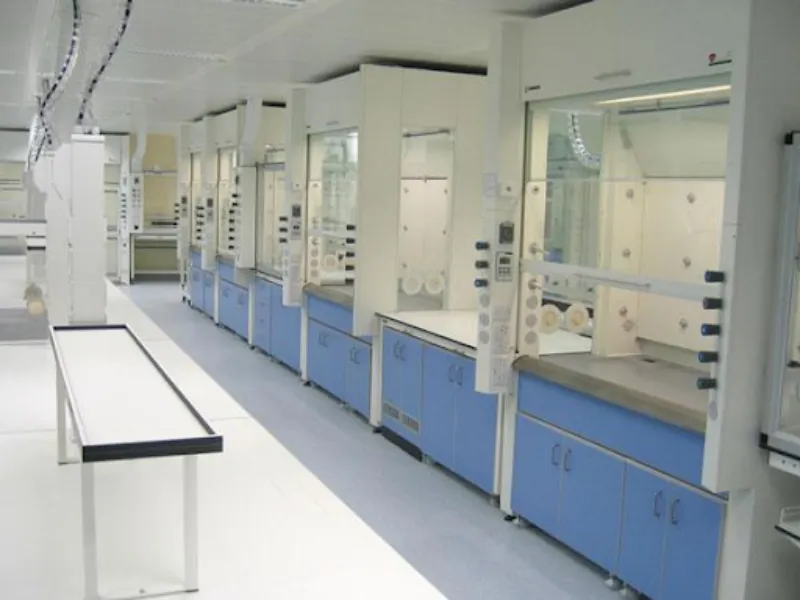
Chemical testing, preparation, research, and quality-control activities can expose laboratory workspaces to fumes and vapours. Fume Cupboards provide controlled work enclosures that help capture emissions generated during compatible industrial laboratory processes.
For manufacturing facilities in Bengaluru, selecting the right fume cupboard requires an understanding of both the chemicals used and the activities performed inside the enclosure.
Define the Actual Work
The first step is identifying what the fume cupboard will be used for.
An industrial laboratory may handle chemical preparation, testing, sample treatment, quality-control procedures, small-scale processing, or research activities.
Equipment selection should reflect the intended work instead of relying on a generic laboratory specification.
Chemical Compatibility Matters
The internal surfaces of a fume cupboard may be exposed to fumes, spills, chemicals, and cleaning materials.
Construction materials therefore need to suit the expected chemical environment.
Manufacturers should receive accurate information about substances used, concentrations, quantities, temperatures, and frequency of operation.
Working Dimensions Need Careful Planning
The internal workspace needs to accommodate apparatus while leaving sufficient room for practical operation.
Plant teams should consider:
- Equipment placed inside
- Working height
- Required width
- Internal depth
- Operator access
- Utility requirements
- Available room dimensions
External dimensions should also coordinate with surrounding laboratory furniture and pathways.
Exhaust Design Is a Key Part of the System
Fume cupboards need an extraction arrangement capable of moving contaminated air away from the working area.
Duct routing, fan performance, system resistance, discharge location, and the nature of the fumes all influence the design.
The cupboard should therefore be considered together with its exhaust system.
Industrial Laboratory Requirements in Bengaluru
Bengaluru hosts manufacturers across electronics, automotive engineering, precision components, surface finishing, chemicals, and industrial technology.
Many of these businesses operate laboratories for quality checks, chemical analysis, process development, and production support.
Associated Surface Innovators manufactures industrial process and surface finishing equipment in Bengaluru, including equipment associated with chemical handling and fume extraction.
Utilities Should Be Specified Early
Depending on laboratory activities, the cupboard may require electrical points, lighting, water connections, drainage, compressed air, service fittings, storage arrangements, or other provisions.
Adding these requirements after fabrication can make installation unnecessarily complicated.
Include them in the initial equipment brief.
Maintenance Access Is Important
Duct connections, fans, service points, and internal components need suitable access for inspection and maintenance.
A well-planned installation should allow technicians to reach the required components without dismantling unrelated laboratory equipment.
Prepare a Detailed Enquiry
Before ordering Fume Cupboards, provide:
- Intended laboratory activity
- Chemicals used
- Working dimensions
- Equipment placed inside
- Required utilities
- Exhaust requirements
- Available installation space
- Maintenance requirements
For industrial laboratories in Bengaluru and Karnataka, this information allows equipment manufacturers to develop a more application-specific solution.
A fume cupboard should ultimately support the actual laboratory process. Chemical compatibility, workspace design, extraction performance, utilities, layout, and maintenance access should all be evaluated before finalising the equipment.
Keywords