A tiny variation in plating thickness can quietly affect the entire performance of a circuit. It’s one of those things you don’t notice immediately… but over time, it shows up as failure, inefficiency, or inconsistent output.
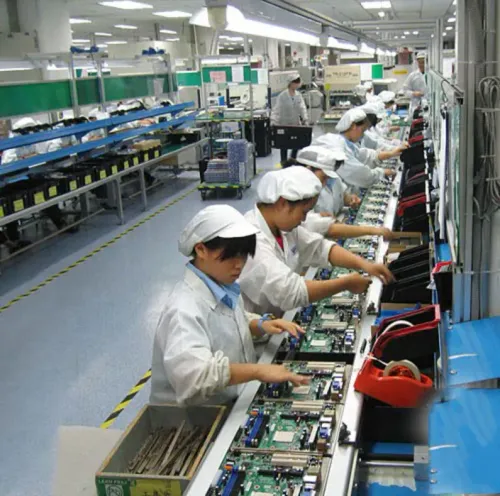
In PCB manufacturing, plating is not just a step, it’s a control point. Maintaining uniform metal deposition, managing chemical balance, and ensuring repeatability across batches is where most systems start to struggle. The issue is rarely visible at first, but it builds with scale.
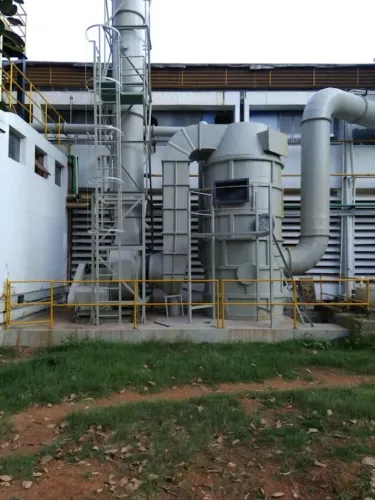
Many manufacturers deal with uneven coating, contamination risks, or systems that simply cannot maintain process stability during long production cycles. And when that happens, productivity drops while rework increases.
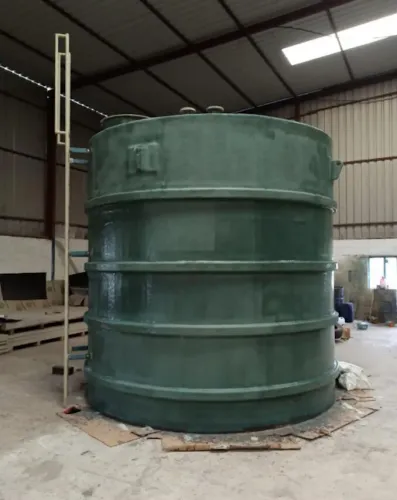
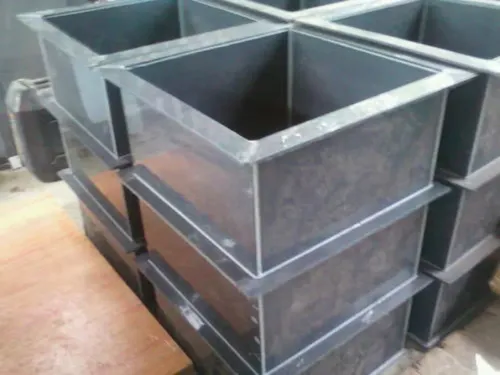
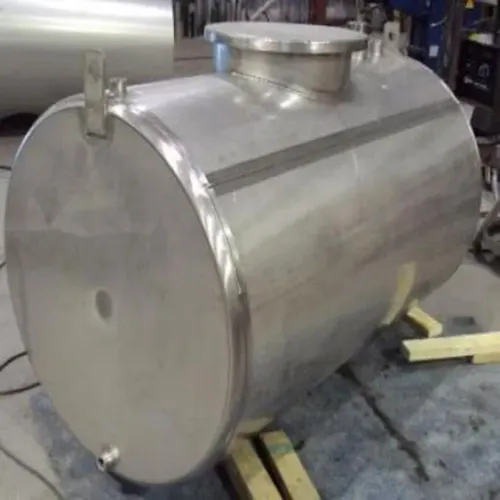
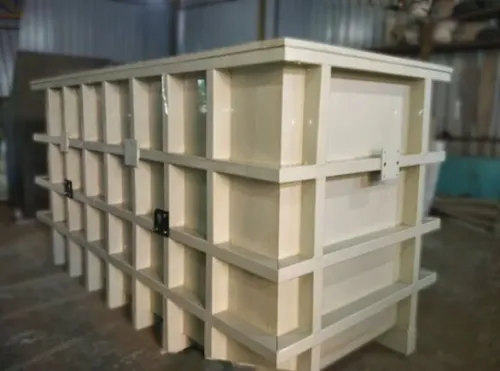
This is where a more engineered approach to plating systems begins to matter. Instead of standard configurations, systems built with optimized tank design, controlled chemical flow, and corrosion-resistant materials like polypropylene and PPH can significantly improve consistency. These materials are specifically chosen to handle aggressive chemical environments without degradation.
Another factor that often goes unnoticed is scalability. As production demand grows, the plating system should continue delivering the same level of precision without constant adjustments. A stable system doesn’t just support output, it protects quality.
Associated Surface Innovators, Bengaluru, focuses on designing PCB plating systems that align with real manufacturing challenges. If you’re looking to improve consistency and long-term process control, exploring a more structured plating setup could be a practical next step.
Keywords