When surface finishing starts becoming inconsistent, it’s usually a sign that something deeper in the process needs attention. It might look like minor variation at first… but over time, it impacts durability, appearance, and overall product quality.
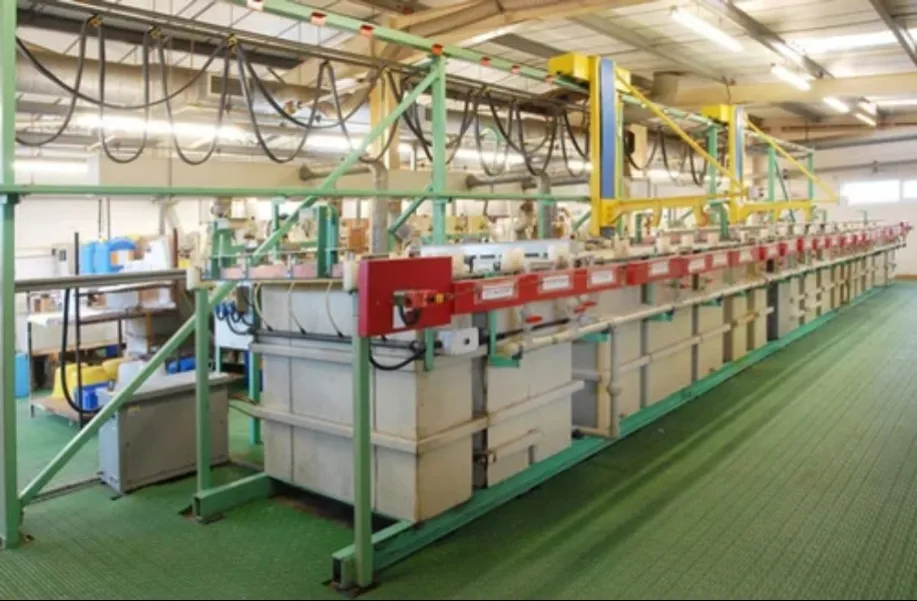
Electroplating is widely used across industries, yet maintaining consistency remains one of the biggest challenges. Variations in temperature, current density, or chemical composition can lead to uneven coating, higher wastage, and unexpected downtime. Many systems are built for function, not for control. And that’s where the gap begins.
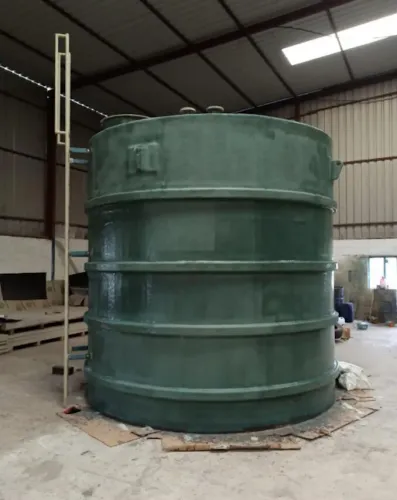
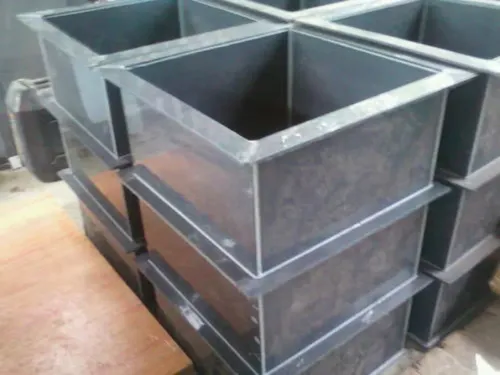
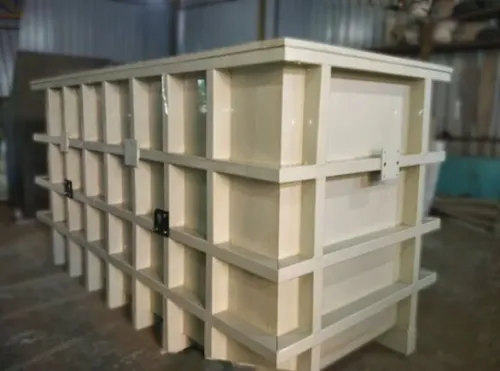
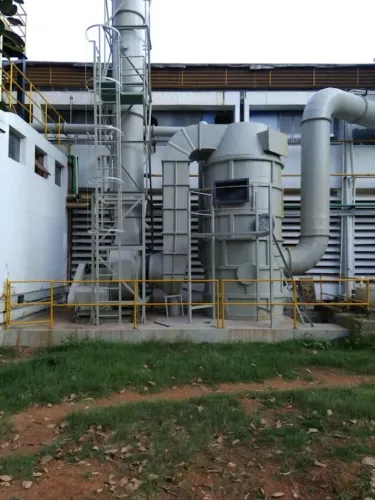
A more refined approach focuses on process stability, ensuring that every cycle delivers predictable results. This includes precision tank layouts, controlled chemical handling, and the use of corrosion-resistant materials like FRP, PP, and PVC. These materials are essential in extending equipment life while maintaining performance under harsh conditions.
Flexibility is another factor gaining importance. As production needs evolve, equipment should be adaptable without requiring major redesigns. Systems that support modular changes tend to offer better long-term value.
Efficiency today is not just about speed, it’s about consistency and reduced losses. A well-engineered electroplating setup brings both together, helping manufacturers maintain quality without frequent interruptions.
Associated Surface Innovators, Bengaluru, focuses on building electroplating equipment that supports stable and efficient operations. If improving process reliability is a priority, understanding how equipment design influences output can offer useful direction.
Keywords